

An Adult Who Gives Gifts Without Permission
By Sharon Womack Doty, J.D., M.H.R.
Consultant to the VIRTUS® Programs
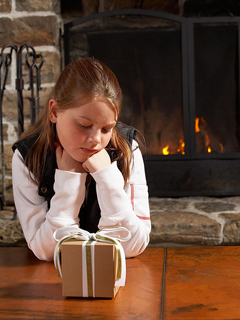 Gift giving is one of life’s great pleasures. Have you ever watched a young child open gifts at a birthday party or a holiday celebration? Their eyes sparkle with anticipation. Sometimes they jump up and down excitedly and clap their hands. When we see such expressions of pure happiness we can’t stop smiling.
And the joy isn’t limited to children. We all love unexpected expressions of thoughtfulness and receiving surprises wrapped in pretty packages, and we all delight in the pleasure others experience when they open a gift we’ve chosen especially for them. These moments are among the treasured memories and experiences of our lives.
However, not all gifts from adults to children are simple expressions of love. Sometimes perpetrators give a child gifts as a way to gain a child’s trust, to win a child’s confidence, and to convince a child that the perpetrator genuinely cares about him or her.
Giving gifts to children is part of an abuser’s progressive psychological grooming of victims. It all begins with expressions of friendship and concern. Over time, perpetrators of child abuse use various tools to encourage and increase the child’s dependence on the abuser. Child molesters are determined to create a familiarity with the child that demonstrates care, concern, and escalating affection. This demonstration of concern usually fools everyone―the child, the parents, and others in the community.
Child sexual abusers buy gifts for the child or take the child to special activities as part of their effort to develop a friendship with the child. Over time, they use this affection and dependence to convince the child that he or she is a willing participant in any sexual activity that eventually occurs between the adult and the child.
No parent wants the joy, wonder, and anticipation of gift giving used as a tool for manipulation and control by a child molester. But, how can adults know whether the gifts children receive are an expression of love and generosity, or are simply the next step in the grooming process? Should parents refuse to allow their children to accept gifts from any non-family member? What should parents watch for if they want to protect their children without spoiling the joy of receiving gifts?
Although there is no way to be absolutely certain 100 percent of the time, there are situations and circumstances that should raise concerns about gifts given to children. These include:
- An adult who favors one particular child over others.
- An adult who gives gifts to children without first acquiring the parents’ permission.
- Children who become secretive about gifts they’ve received, or are unwilling to explain the sudden appearance of items.
- When the gift is prohibited by the parent.
Pay special attention when an adult favors a particular child in the family. Child sexual abusers are insightful and skilled at selecting a vulnerable child to “befriend.” They often see openings that go unnoticed by those who are with the child every day. One way an abuser can gain credibility with a child is to buy something especially for the child or to give the child unexpected gifts, while letting the child know that the abuser “understands the difficulty” the child is experiencing. Most of the time these gifts are given as a “surprise” for the child as well as the parents. The abuser often will suggest that the child keep the gift a secret.
Abusers often give gifts that the parents may prohibit. When the perpetrator takes the side of the child they are building a very strong and secret bond with the child. They are also creating leverage against the child should the child ever say something about their abuse to the parent.
One of the best ways parents can manage this problem is to be proactive. Parents can establish simple rules for those who want to give gifts to their children. Such rules might include:
- No gifts to a child without first acquiring a parent’s permission.
- No disparity in gift giving to siblings except on birthdays, graduations, or other special events specific to an individual child.
- Dollar limits on the amount adult friends can spend on the children.
Parents should also remind their children that gifts are usually an indication of care and friendship and that nobody should ask a child to keep a gift a secret. In addition, parents should be clear with children that they will not get in trouble for accepting a gift without permission―as long as they tell the parents about the gift as soon as possible.
By establishing guidelines in advance, parents will let everyone know―children, potential abusers, other adults in the family and community―that they are taking a practical approach to minimizing the possibility of a sexual abuser manipulating their child by giving the child gifts. Plus, by establishing and enforcing the guidelines, parents assume a heightened awareness about what’s going on with their own children. Parents pay closer attention to the little details that might otherwise go unnoticed.
If you are a parent, establish gift-giving guidelines. Teach your child the rules and tell all adults in the child’s life what you expect of them with regard to this issue. If you have a pure and genuine interest in giving gifts to someone else’s child, ask the child’s parents about their gift-giving guidelines, and respect the parents’ wishes. Even if other parents don’t have guidelines, you promote child safety by behaving as though they do.
This type of sensible approach will go a long way towards eliminating the power of gift giving by child sexual abusers.
This article is not part of your continuing training. To access your required bulletins you must log in using the form in the upper left-hand corner of the screen. Then go to the TRAINING tab.